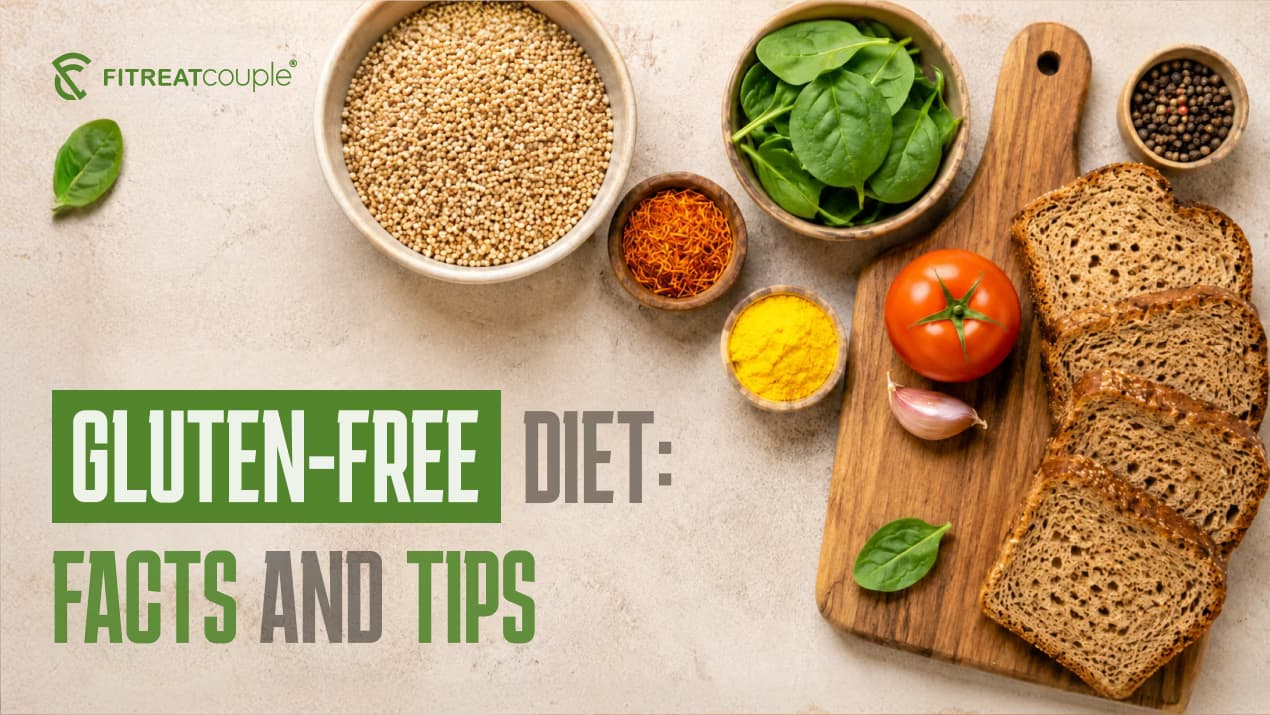
Gluten is a type of protein found naturally in wheat, rye, and barley. It acts as a binding agent, giving bread and baked goods their characteristic chewy texture. For most people, gluten is harmless and easily digested. However, some people have difficulty metabolizing gluten — including those with celiac disease, non-celiac gluten sensitivity, and wheat allergy — and benefit significantly from a gluten-free diet.
Understanding what a gluten-free diet involves, which foods are safe to eat, where gluten is hidden, and how to follow this diet correctly is essential for managing gluten-related conditions.
Who Needs a Gluten-Free Diet?
Celiac Disease: An autoimmune disorder where eating gluten causes the immune system to attack and damage the lining of the small intestine, leading to nutrient malabsorption.
Non-Celiac Gluten Sensitivity: Experience digestive issues, headaches, or fatigue when eating gluten, without displaying intestinal damage.
Wheat Allergy: An allergic reaction to wheat proteins (including gluten), causing hives, respiratory issues, or anaphylaxis.
Safe Gluten-Free Foods and Substitutes
Adopting a gluten-free diet doesn't mean eating less variety. Many nutritious grains and foods are naturally gluten-free:
Naturally Gluten-Free Grains | Other Safe Food Groups |
|---|---|
Rice (Brown, Red, White) | Fresh fruits and vegetables |
Ragi (Finger Millet) & Jowar (Sorghum) | Unprocessed proteins (eggs, paneer, chicken, fish) |
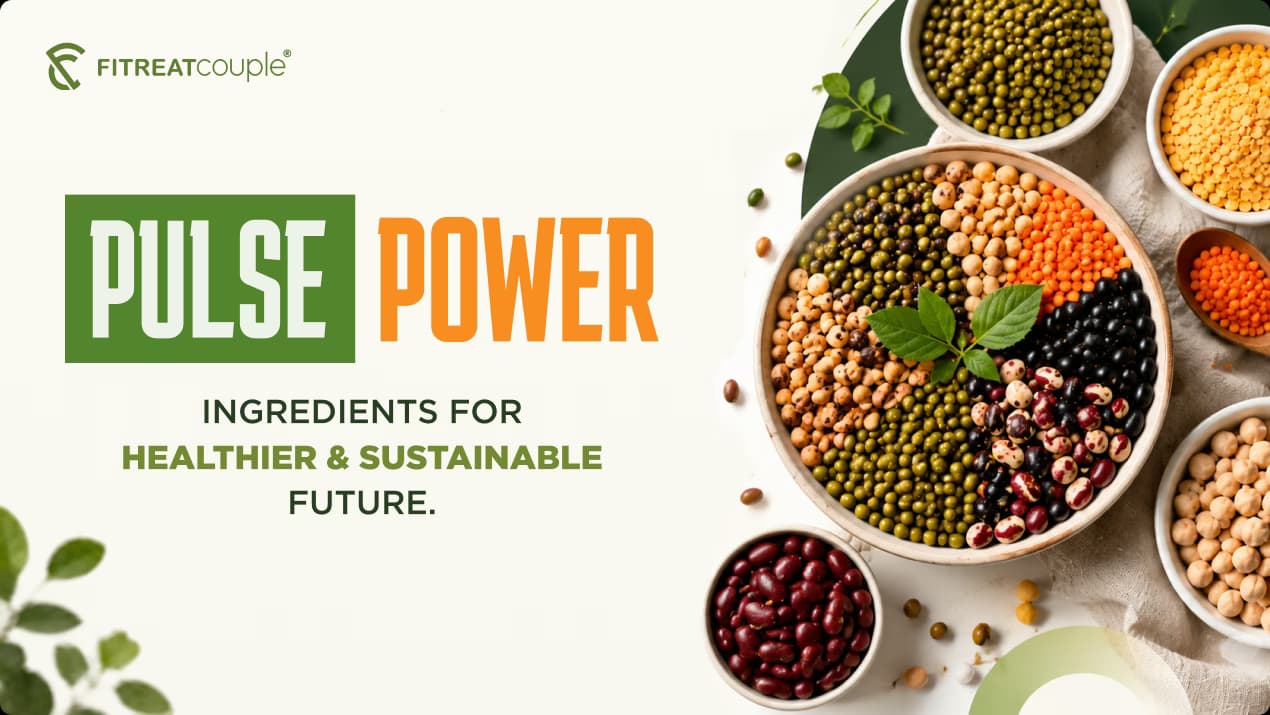
Bajra (Pearl Millet) | Legumes, lentils, and pulses |
Quinoa & Oats (certified gluten-free) | Nuts, seeds, and cold-pressed oils |
Hidden Sources of Gluten to Avoid
Gluten is often used as a thickener or stabilizer in processed foods. Always read ingredient labels carefully for these hidden sources:
Soy sauce, salad dressings, and marinades (which often use wheat flour)
Processed soups, gravies, and packaged spice mixes
Asafetida (hing) — commercial hing powders are often blended with wheat flour
Processed meats, sausages, and vegetarian mock meats
Some medications, vitamins, and cosmetics
Dietitian Tip
A common misconception is that a gluten-free diet is naturally healthier for everyone. Many packaged gluten-free products are highly processed, high in sugar, and low in fibre. Focus on naturally gluten-free whole foods instead.
Frequently Asked Questions (FAQ)
1. Are oats naturally gluten-free?
Yes, oats are naturally gluten-free. However, they are frequently processed in facilities that handle wheat, leading to cross-contamination. Always choose oats certified as "gluten-free".
2. Can a gluten-free diet help with weight loss?
Only if it leads to cutting out refined wheat-based processed foods and replacing them with whole foods. Simply switching to gluten-free packaged snacks and baked goods will not support weight loss.