In today’s fast-paced lifestyle, many people focus on calories, fad diets, or food restrictions, often forgetting the most fundamental concept of nutrition: are they eating the right proportions? Do people know what to eat, when to eat, and how to eat for optimal health? As a dietitian, one of the simplest and most effective tools I recommend to patients is the balanced plate method.
Making the first step towards eating healthy can feel overwhelming. With all the dietary information available today, it is hard to figure out how much of which foods we should be eating each day, let alone at each meal. Building a habit of regularly eating healthier food is a key part of long-term weight loss and disease prevention.
Rather than counting calories or following complicated diet rules, the balanced plate method shows exactly how to structure your plate for complete nutrition every single day.
The Balanced Plate Method Breakdown
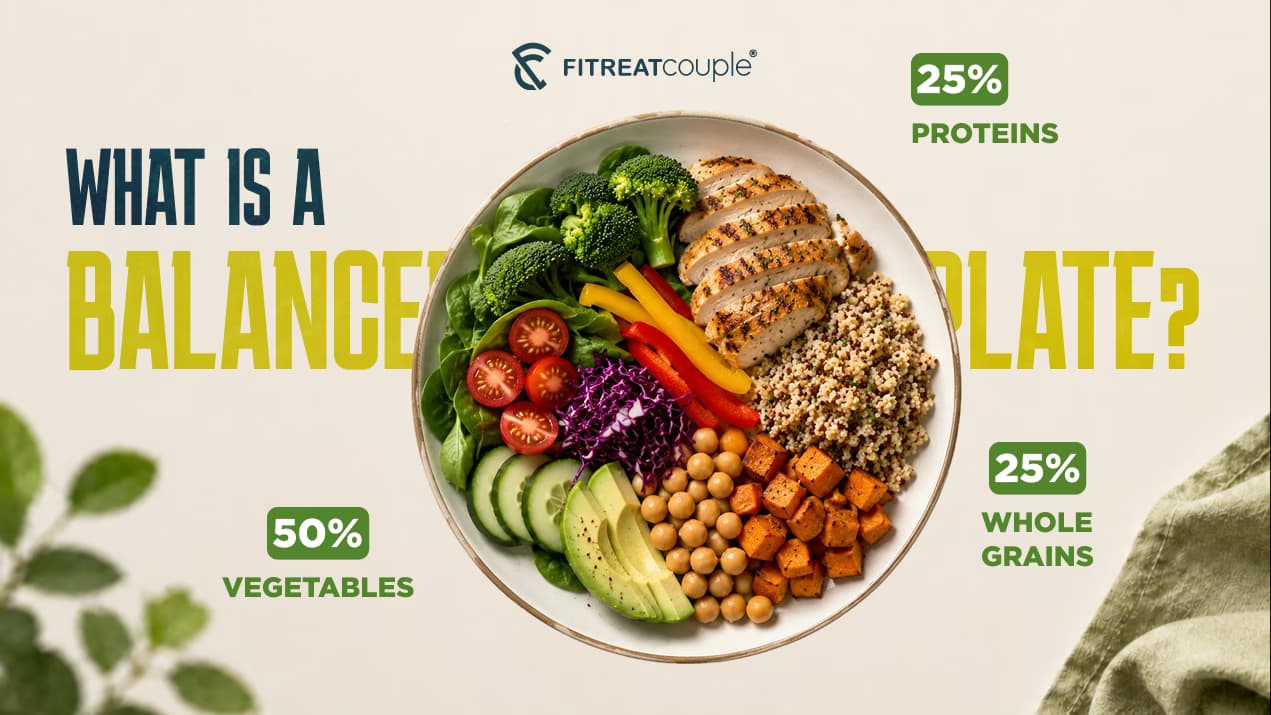
The balanced plate method divides your plate into clear, proportional sections for each food group. Here is the complete breakdown:
1. 50% Vegetables and Fruits
Fill half your plate with a wide variety of colourful vegetables and fruits at every meal. This is the most important section of the balanced plate for weight management and disease prevention.
Eat a wide variety of colours — each colour provides different antioxidants and phytonutrients.
Preferably eat fresh or frozen vegetables and fruits — avoid dried and fried varieties.
Exclude potatoes and other starchy tubers from this section — they count as carbohydrates.
They support digestion, immunity, and healthy weight management.
2. 25% Whole Grains (Carbohydrates)
Carbohydrates are the body’s primary energy source and should never be completely eliminated. The key is choosing the right type.
Whole grains provide sustained energy and help regulate blood sugar levels.
Best choices: brown rice, red rice, millets, oats, quinoa, whole wheat, and ragi.
Avoid refined grain products such as white rice, white pasta, and white bread.
The type of carbohydrate matters more than the amount — choose complex, fibre-rich options.
3. 25% Proteins
Protein is essential for muscle repair, metabolism, satiety, and immune function. Including adequate protein at every meal prevents muscle loss and controls hunger effectively.
Plant-based options: pulses, lentils, chickpeas, paneer, curd, tofu, soy, nuts, and seeds.
Animal-based options: eggs, fish, chicken (lean meats), and low-fat dairy.
Limit red meat consumption — no more than 1–2 times per week.
Avoid processed meats like bacon, sausage, and deli meats.
4. Healthy Fats & Water
Healthy Fats: Critical for nutrient absorption and hormone balance. Choose nuts, seeds, cold-pressed oils, and ghee in moderation.
Hydration: Make water your primary drink throughout the day. Aim for at least 2 litres daily. Limit sugary beverages and packaged juices.
Adapting to Traditional Indian Cuisine
The balanced plate concept can be easily and naturally adapted to traditional Indian cuisine. You do not need to change your food culture, simply adjust the proportions:
Portion Control: The traditional Indian thali with small katori bowls naturally supports this balanced approach. Overeating healthy foods can still lead to weight gain, so use your hand as a guide (one fist = carbs, palm = protein, two fists = veggies).
Variety: Incorporate different food items from all major food groups at each meal. Choose seasonal and locally available foods for the best nutrition and affordability.
Cooking Methods: Opt for healthier cooking methods such as steaming, stewing, sautéing, grilling, or baking. Limit deep-fried foods.
Dietitian Tip
The main message of the balanced plate method is to focus on diet quality rather than quantity. Choosing complex carbohydrates, healthy protein sources, and fresh vegetables will sustain your energy and support overall wellness long-term.
Frequently Asked Questions (FAQ)
1. How does the balanced plate support weight loss?
The balanced plate supports weight loss by automatically controlling portion sizes and calorie intake without strict counting. The high vegetable and fruit content provides volume and fibre for satiety, while the protein section reduces hunger hormones.
2. Can the balanced plate method be adapted to a vegetarian diet?
Absolutely. The balanced plate method is highly adaptable to vegetarian diets. Excellent vegetarian protein sources include lentils, chickpeas, rajma, soy products, tofu, paneer, curd, nuts, and seeds. A well-planned vegetarian balanced plate can meet all nutritional requirements.
3. Do I need to count calories if I use the balanced plate method?
No. The balanced plate method focuses on food group proportions rather than calorie numbers. It is simpler, more intuitive, and easier to sustain long term compared to strict calorie tracking.