Stress is a complex phenomenon, and each person has their own level of stress tolerance. Stress can manifest in different physical and emotional ways. Many ways exist to cope with this, but a majority of people face the challenge of emotional or stress eating. A proper solution for this is to maintain a well-balanced and nutritious diet. Adequate amounts of carbohydrates, protein, fat, and micronutrients help reduce adrenaline and cortisol levels in our body.
Introduction – What is Stress?
Stress can be any type of change that causes physical, emotional, or psychological strain. Excessive or prolonged stress can lead to illnesses such as heart disease and mental health problems like anxiety and depression. The stress response varies in people according to the type of stress they undergo and their lifestyle. Factors like work pressure, family issues, and financial challenges contribute to raising stress levels.
Signs & Symptoms of Stress
Specific signs and symptoms of stress vary from person to person. Some experience physical symptoms while others experience emotional challenges that lead to overeating or loss of appetite.
Physical Symptoms: Headaches, backaches, muscle tension, nausea, chest pain, and insomnia.
Emotional & Behavioural Symptoms: Anxiety, irritability, mood swings, emotional eating, and social withdrawal.
Nutritional Strategies to Combat Stress
What you eat directly impacts how your body handles stress. Food can either fuel anxiety or serve as a powerful stabilizer:
Complex Carbohydrates: Foods like whole wheat, oats, and millets help the brain produce serotonin, a calming chemical.
Healthy Proteins: Lean protein sources contain amino acids (like tryptophan) that serve as precursors to mood-regulating neurotransmitters.
Micronutrients & Antioxidants: Vitamins C and E, magnesium, and zinc protect cells from oxidative stress and regulate cortisol levels.
Top Stress-Busting Foods
Food Item | Key Nutrient | Anti-Stress Action |
|---|---|---|
Spinach / Leafy Greens | Magnesium | Helps relax muscles and regulates cortisol levels. |
Nuts & Seeds | Zinc & Healthy Fats | Supports immune function and reduces systemic inflammation. |
Berries & Citrus Fruits | Vitamin C | Reduces blood pressure and stress hormone spikes. |
Dark Chocolate (70%+) | Flavonoids | Triggers endorphin release and improves blood flow to the brain. |
Dietitian Tip
When stressed, avoid caffeine and sugary foods. While they offer a temporary energy spike, they ultimately lead to a crash that triggers further anxiety and emotional hunger.
Frequently Asked Questions (FAQ)
1. Why do I crave sweet foods when stressed?
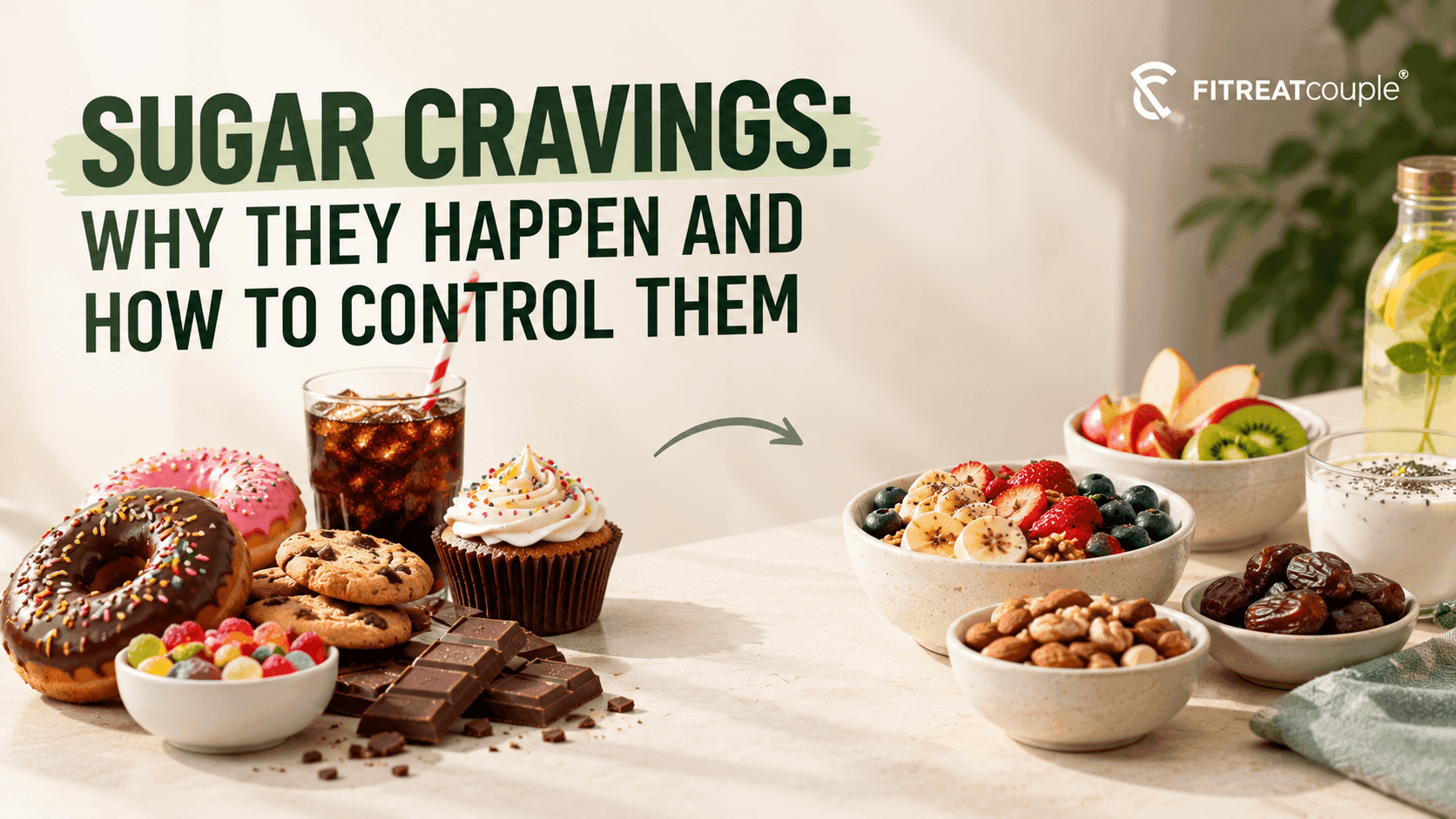
Stress triggers the release of cortisol, which signals the body to seek quick energy. Refined sugar and carbs digest quickly, providing a rapid spike in blood sugar that temporarily satisfies the brain's demand.
2. Can gut health impact my stress levels?
Yes. The gut-brain axis is a direct communication link. About 90% of serotonin (the happy chemical) is produced in the gut. A healthy gut microbiome supported by probiotics directly improves mood and stress resilience.