About the Author Fathima Riya K Dietitian, MSc Expertise: Weight Management | Mindful Eating | Portion Control | Lifestyle Nutrition | Eating Behavior Counselling Last Reviewed: October 2026 |
Many people believe that eating out and dieting simply cannot go together. This belief stops them from even trying and that is the real problem.
Here is the truth you can absolutely eat out while pursuing your health goals, if you control your portions and make thoughtful choices. The biggest problem is not restaurant food itself. It is overeating. Some people feel they have an "extra stomach" for outside food while others skip meals beforehand to save room which almost always leads to eating far more than planned.
Eating out is not inherently bad. The effect on your health depends entirely on your portions and your selections.
The Real Problem With Eating Out Frequent eating out is linked with a higher risk of obesity, type 2 diabetes, and heart disease. The issue is not eating out alone, but common habits like oversized portions, refined carbohydrates, unhealthy fats, added sugar, sugary drinks, and irregular or late meals. A healthy lifestyle combines balanced nutrition, adequate sleep, hydration, stress management, and regular physical activity. When these are missing, health risks increase. |
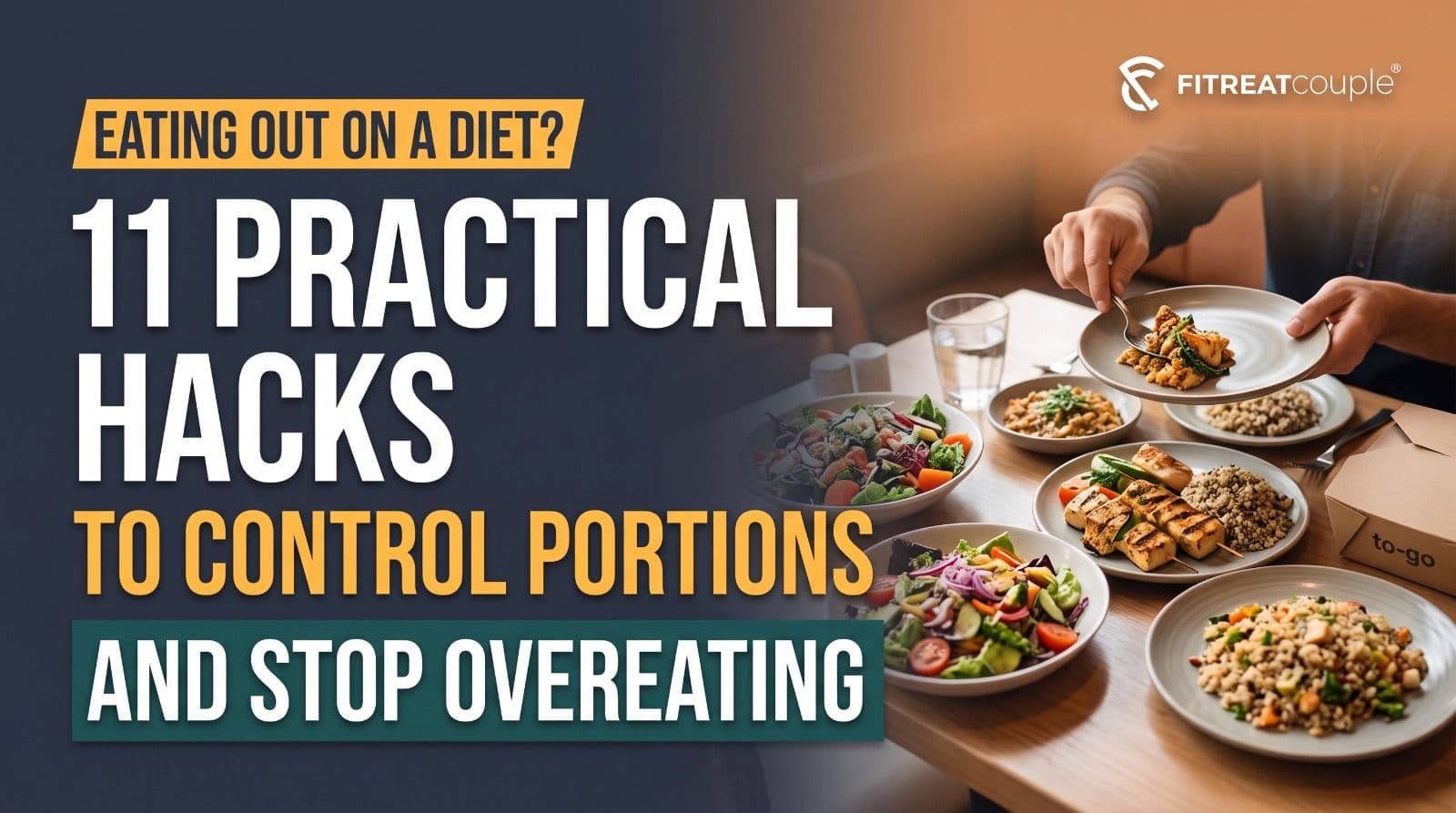
11 Practical Hacks to Control Portions and Stop Overeating When Eating Out
01 | Split the Serving Eat with a friend or family member and share a dish or ask for a takeaway box before you start and set aside half immediately. Out of sight, out of mouth. This one simple move can cut your calorie intake significantly without any sense of deprivation. |
02 | Eat Mindfully Put away the distractions. Scrolling through your phone, watching reels, or eating in front of a TV causes significantly more food consumption without realising it. Put the phone away, chew slowly and taste your food. |
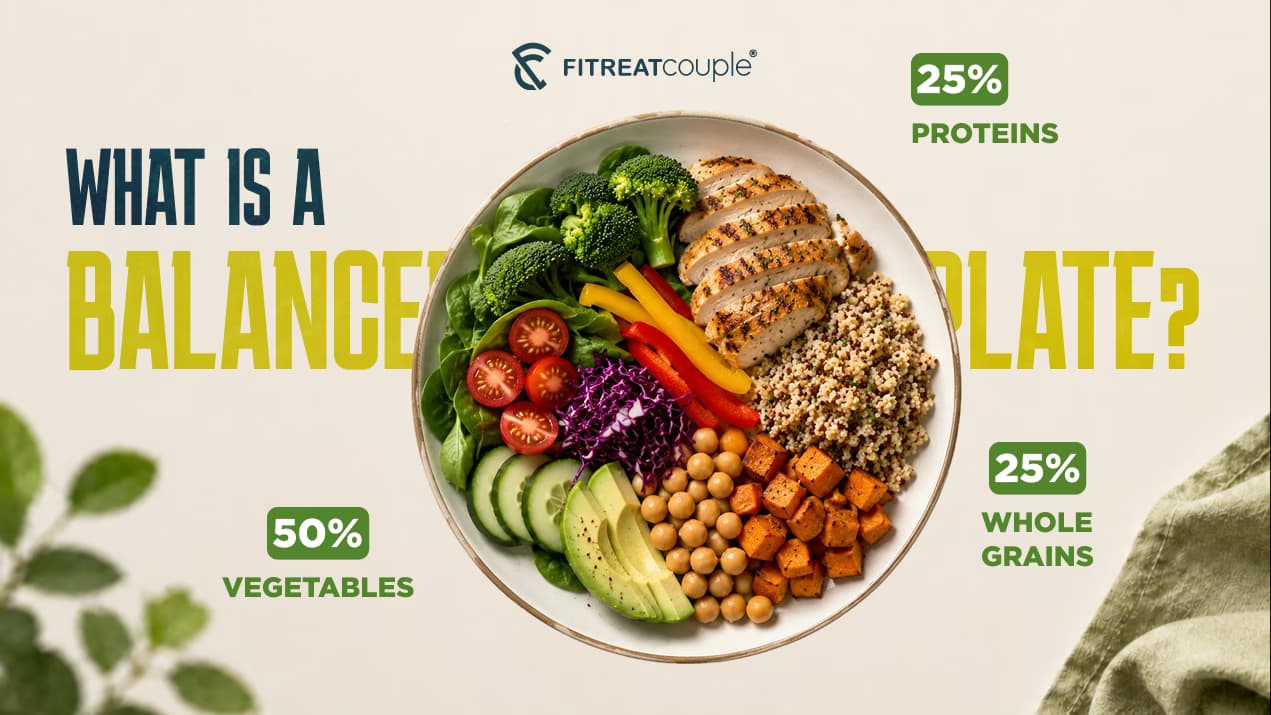
03 | Balance Your Plate Use the plate method: fill half your plate with vegetables, one quarter with lean protein (dal, paneer, chicken, fish), and one quarter with whole grains or starch. This structure naturally limits refined carbs and excess fat while keeping you full and nourished. |
04 | Start With Salad or Soup A bowl of salad or a broth-based soup before your main meal increases satiety, reduces appetite, and helps you eat significantly less during the main course. Studies show starting with a vegetable-based starter reduces total meal calorie intake by up to 20%. |
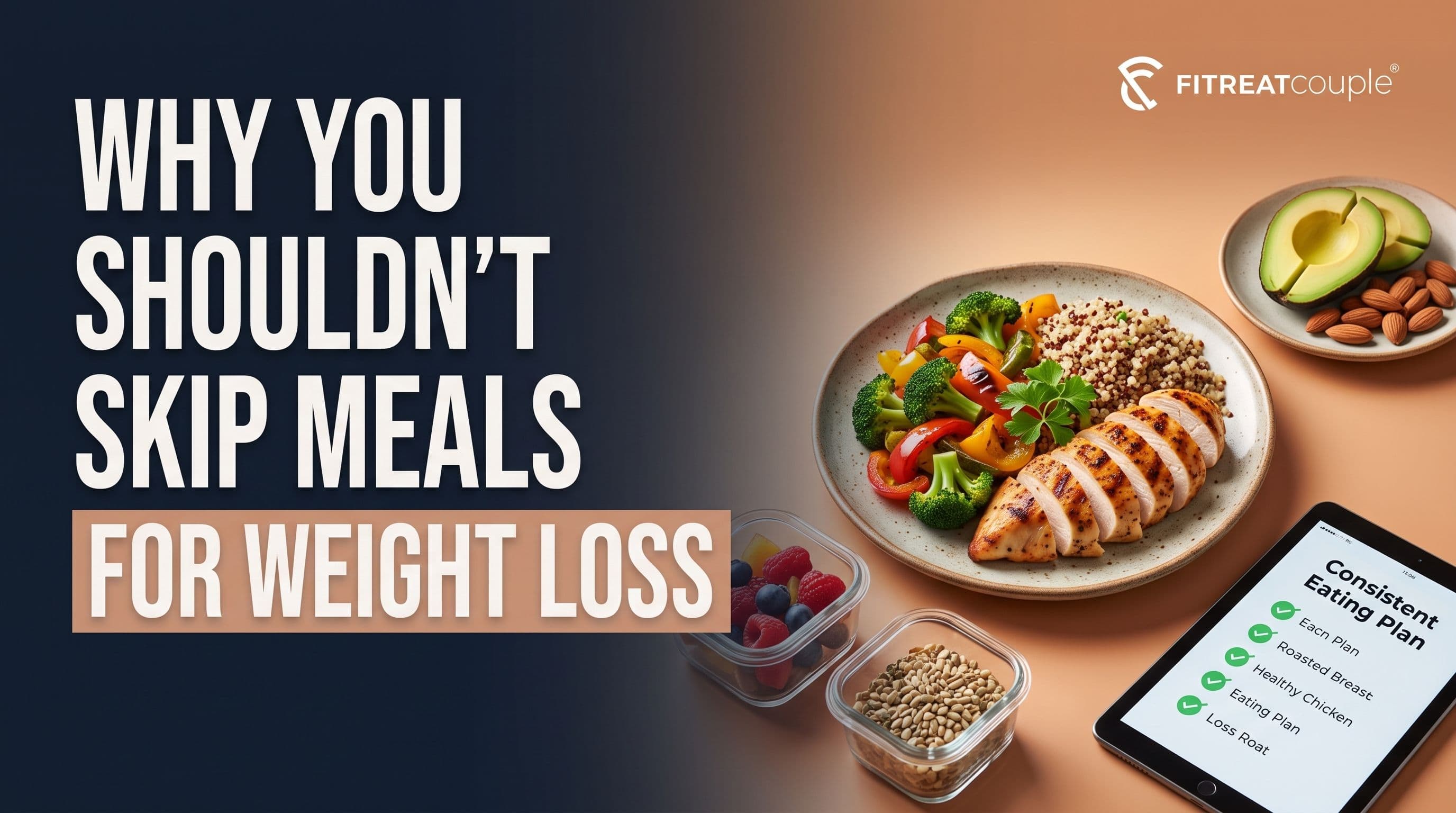
05 | Never Skip the Meal Before Eating Out Skipping a meal to 'save room' or 'save calories' often backfires. You arrive overly hungry and more likely to overeat. Hence, make sure to have a light snack before heading out like yogurt with fruit, a small salad with protein, or a handful of nuts. This will helps to make far better choices. |
06 | Stay Hydrated Drink water throughout the day not just with the meals. Mild dehydration is frequently mistaken for hunger. Drinking a glass of water 20–30 minutes before your meal and sipping water throughout the day helps to prevents overeating. Avoid sugary drinks, soda, and alcohol, they add empty calories without satiety. |
07 | Prioritise Sleep and Manage Stress Poor sleep and chronic stress can trigger cravings, emotional eating, and poor food decision-making. When you are sleep-deprived or stressed, your hunger hormone ghrelin rises and your willpower drops. Aim for 7–9 hours of quality sleep. If you feel stressed before eating out, try meditation or a 5-minute walk or breathing exercise first. |
08 | Avoid the Worst Offenders on the Menu Ultra-processed foods, deep-fried starters, sugary desserts and carbonated drinks add large numbers of calories without providing satiety or nutrition. They are engineered to make you eat more. |
09 | Choose Smarter Cooking Methods The same ingredients prepared differently can have dramatically different calorie counts. Always opt for grilled, baked, boiled, steamed, or sautéed dishes over fried ones. In Indian restaurants, choose tandoori, tikka, or bhuna preparations over malai, butter, or cream-based dishes. Ask the kitchen to reduce oil or ghee if possible. |
10 | Stay Physically Active Aim for at least 30 minutes of movement on most days to support calorie balance and overall health. On days you plan to eat out, a workout or brisk walk earlier in the day is preferred. |
11 | Walk for 10 Minutes After Your Meal A short 10 minute walk after eating is one of the most powerful and underused post-meal habits. It significantly improves blood sugar control, supports digestion, reduces post meal bloating, and burns a few additional calories. It also breaks the habit of sitting straight after a large meal, which worsens fat storage and digestive discomfort. |
Smarter Restaurant Food Swaps
Use this table every time you are unsure what to order. These swaps are small changes that add up to significant results over time:
Avoid This | Choose This Instead |
Deep-fried starters (samosa, fries, pakoda) | Grilled or tandoori starters / soup or salad |
White rice or maida-based bread | Brown rice, roti (whole wheat), or quinoa |
Creamy curries (butter chicken, malai kofta) | Tomato-based or dal-based curries or non cream chicken and paneer curries |
Sugary desserts or ice cream | Fresh fruit, raita, or a small portion of dessert |
Cold drinks, soda, or sweetened lassi, Sugary juices or shakes | Buttermilk (chaas), plain water, or herbal tea, salted lime water |
Double portion of one dish | Half portion + a vegetable side |
Skipping vegetables entirely | At least one vegetable-based dish per meal |
The Balanced Plate Method for Restaurant Meals
No matter which restaurant you are at, this simple plate structure works for any cuisine:
Plate Section | What to Choose at Restaurants |
Half the plate (50%) | Vegetables; sabzi, salad, dal, cooked greens, soup |
One quarter (25%) | Lean protein; dal, paneer, grilled chicken, fish, eggs, tofu |
One quarter (25%) | Whole grains or starch; roti, brown rice, millets, quinoa |
Drink | Water, buttermilk (chaas), or herbal tea or salted mint lime; not soda or sweetened drinks |
Starter (if having one) | Broth-based soup or a salad (without heavy cream, sauces or mayo) |
Dietitian's Take You do not need to order a salad every time you eat out to stay on track. Order what you enjoy but use the balanced plate method as your guide, make sure there is enough protein and veggies in any form, choose a smarter cooking method and share or halve the portion. That is all it takes. |
Frequently Asked Questions (FAQ)
Q1: Can I lose weight while eating out regularly?
Well it completely depends upon your consistent portion control and food choices. Using the 11 hacks in this article especially splitting portions, starting with salad or soup, choosing grilled over fried, and walking after meals, makes regular eating out fully compatible with weight loss.
Q2: What is the best strategy to avoid overeating at a restaurant?
The most effective strategies are, never arrive hungry (eat a light healthy snack before), start with a broth-based soup or salad, eat without distractions (put the phone away), stay hydrated throughout the day, ask for a takeaway box and set aside half before you start.. Using these hacks consistently makes a significant difference.
Q3: What should I order at an Indian restaurant when on a diet?
In an Indian restaurant, choose dal, sabzi, roti (whole wheat), and a raita or salad. For protein, tandoori chicken, grilled fish, normal curries (paneer, chicken, fish, egg), paneer tikka, or dal are excellent choices. Avoid butter chicken, malai kofta, puri, or cream-heavy gravies. Ask for less oil or ghee in your dish if possible. Drink salted mint lime, buttermilk or plain water instead of cold drinks or sweetened lassi.
Q4: Is it okay to eat out frequently and still be healthy?
Daily eating out makes portion control and nutritional balance harder to achieve consistently. However, if you apply the strategies in this article every time like balanced plate, smarter cooking methods, no sugary drinks, portion splitting, and post-meal walking, you might maintain a healthy diet even when eating out frequently. The key is consistency of habits, not perfection of every meal.
Q5: How do I stop emotional eating at restaurants?
Emotional eating is often triggered by stress, boredom, or social pressure. Before ordering, check in with yourself: am I genuinely hungry, or am I eating out of emotion or habit? Managing sleep, stress, and hydration, reduces emotional eating triggers significantly. If emotional eating is a persistent pattern, consulting a dietitian or counsellor for personalized support is recommended.
Conclusion: Balance, Not Perfection
The most important thing to remember is this: having healthy restaurant meals is all about balance, not perfection. From the snacks you eat before heading out, to everything you order at dinner, it is about making better choices more often, listening to your body and understanding that your wellness is directly connected to your daily decisions.
The best way for starting a diet and making it last is to change one habit at a time. Instead of trying to follow every tip at once, gradually incorporate them into your life. Pick two or three that feel natural to you, build them into your routine, and then add more. With consistency, you can enjoy eating out without guilt and live both happily and healthily.
Final Note If you have any specific health goals; weight loss, diabetes management, cholesterol, or gut health, a Dietitian’s help is recommended to create a personalized restaurant eating plan that fits your health targets. You do not have to give up eating out entirely to be healthy. You just need a smarter approach. |