About the Author Aysha Sheril Areas of Focus: Nutrition and Diet Planning | Weight Management | Healthy Eating Habits |
|---|
Introduction: It's Not a Willpower Problem
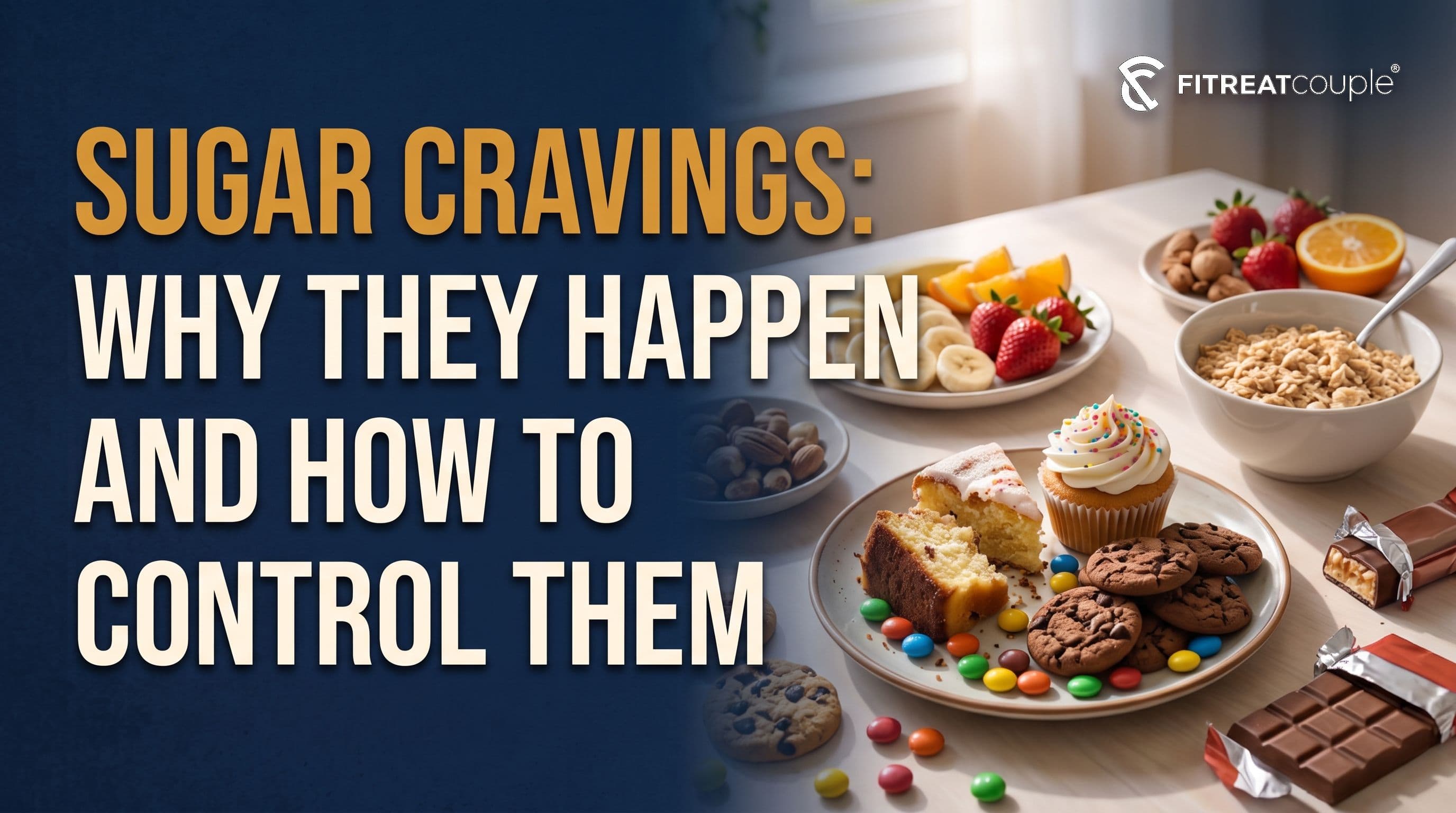
Sugar cravings are one of the most frequently reported challenges among people trying to eat healthy, manage their weight, regulate blood sugar levels, or improve their overall eating habits. Many describe an almost uncontrollable urge for something sweet — chocolate, dessert, or a sugary drink — even shortly after finishing a meal. These cravings are often misread as a lack of discipline or willpower. From a nutritional and behavioural perspective, however, cravings can have many causes. They may be influenced by eating patterns, sleep, stress, emotions, food environment, nutrient intake, and learned habits rather than by character or willpower.
This guide looks at why sugar cravings happen in the first place and lays out practical, sustainable strategies for managing them without relying on strict restriction. It helps to start by setting aside the idea that a craving is a test of character. A craving can provide useful information about your eating pattern, sleep, stress levels, emotions, or habits. Treating every craving as a willpower failure can mean that the underlying trigger remains unaddressed. Once you understand what causes sugar cravings, managing them can become much easier than simply trying to resist them.
Understanding Sugar Cravings
At the most basic level, cravings are influenced by a combination of physiological, psychological, and environmental factors. When meals are skipped, portions are inadequate, or there are long gaps between meals, hunger can become stronger and make highly palatable foods more appealing. Glucose is an important fuel source for the brain, and the body has systems in place to maintain blood glucose within a healthy range. However, a craving for something sweet does not necessarily mean that the body urgently needs sugar or quick energy. Sugar also interacts with the brain's reward system. Sweet and highly palatable foods can activate reward pathways, making them enjoyable and increasing the likelihood that we will want them again. Repeated exposure can also create learned associations between certain foods and specific situations, such as having dessert after dinner or reaching for biscuits during an afternoon break. Hunger and fullness are also influenced by hormones such as ghrelin and leptin. Sleep, stress, meal timing, and overall energy intake can affect appetite regulation, which may in turn influence food choices and cravings. The reassuring part is that cravings are common and can often be managed through consistent changes to meals, sleep, stress management, and eating habits rather than through extreme restriction.
Why Do Sugar Cravings Happen? The Six Real Triggers
1. Irregular Eating and Blood Sugar Fluctuations
One possible contributor to sugar cravings is an irregular eating pattern. When meals are skipped or there are very long gaps between meals, hunger can become stronger and highly palatable foods may become more appealing. Meals that contain mostly refined carbohydrates but little protein or fibre may also be less satisfying and may leave some people hungry again sooner. Rather than focusing only on avoiding sugar, aim to build balanced meals containing carbohydrates, protein, fibre, and healthy fats. This can support satiety and help create a more consistent eating pattern.
2. Low Protein and Healthy Fat Intake
Protein and fat contribute to satiety and can help meals feel more satisfying. A meal built mostly around refined carbohydrates may be digested relatively quickly and may not keep you satisfied for very long. This can sometimes be experienced as a craving for something sweet rather than as obvious hunger. Including a reliable protein source and a moderate amount of healthy fat in meals can help improve fullness and reduce unnecessary snacking. Under-eating protein and fat is one of the most overlooked reasons people feel like they crave sugar "for no reason."
3. Nutrient Gaps
Certain nutrient deficiencies can contribute to fatigue, weakness, and changes in overall well-being, which may indirectly influence eating habits. However, sugar cravings alone are not a reliable sign of any specific nutrient deficiency.
Some nutrients associated with energy metabolism and general health include:
Magnesium: Essential for energy production, muscle function, and nerve health. Although chocolate cravings are sometimes linked to magnesium deficiency, scientific evidence supporting a direct connection is limited.
Chromium: Involved in glucose metabolism. However, chromium deficiency is uncommon, and there is insufficient evidence that sugar cravings indicate a lack of chromium.
Iron: Important for oxygen transport and energy levels. Iron deficiency can cause fatigue and weakness, but these symptoms do not necessarily explain sugar cravings.
B vitamins: Help the body metabolise carbohydrates, fats, and proteins to produce energy. Deficiencies in certain B vitamins can cause fatigue and other health problems, but sugar cravings alone do not indicate a deficiency.
What can you do?
Instead of assuming that sugar cravings are caused by a nutrient deficiency, focus on eating a balanced and varied diet that includes whole grains, fruits, vegetables, pulses, nuts, seeds, and other nutrient-rich foods. If you experience persistent fatigue or have other symptoms or risk factors for a deficiency, consult a healthcare professional about whether testing is appropriate. Avoid taking supplements solely to manage sugar cravings without professional advice.
4. Stress and Emotional Eating
Stress can influence appetite and increase the desire for highly palatable foods, including foods that are high in sugar and fat. Emotional eating can also develop through learned associations. For example, someone may begin to associate stress, sadness, boredom, or tiredness with eating something sweet because it provides temporary pleasure or comfort. This doesn't mean that you lack discipline. Food can become part of an emotional coping pattern, and recognising the pattern is the first step towards changing it. When stress is a regular part of daily life, strategies such as physical activity, relaxation, adequate sleep, social support, and other healthy coping mechanisms may help reduce reliance on food for emotional comfort.
5. Poor Sleep Quality
Poor or insufficient sleep can affect appetite, food preferences, mood, and impulse control. Sleep restriction has been associated with increased appetite and greater preference for energy-dense foods in many studies. Rather than focusing only on willpower the next day, improving sleep can be an important part of managing cravings. Aim for around 7–9 hours of quality sleep for most adults and try to maintain a consistent sleep and wake schedule.
6. Habitual and Learned Sugar Consumption
Some cravings are strongly connected to habits and environmental cues rather than physical hunger. For example, you may automatically want biscuits at 4 p.m., dessert after dinner, or chocolate while watching television. When the same behaviour is repeated regularly, the situation itself can become a cue for eating. A habitual craving can feel very strong even when you are not physically hungry. Breaking this pattern usually involves changing one part of the routine — for example, changing the location where you normally eat the snack, replacing the activity associated with the snack, or introducing a different planned option.
Honest Truth
Reaching for a chocolate bar because you think you “must be low in magnesium” is not a reliable way to correct a deficiency. Although chocolate contains some magnesium, it should not be considered a treatment for magnesium deficiency. If a nutrient deficiency is genuinely present, the appropriate approach is to address it through a balanced diet and, when necessary, professional assessment and supplementation.
How to Control Sugar Cravings Naturally
Stabilise Your Eating Pattern First
One of the most useful strategies is to build balanced meals containing a combination of carbohydrates, protein, fibre, and healthy fats. Fibre, protein, and fat can slow digestion and help meals keep you satisfied for longer. Eating at reasonably regular intervals can also help prevent excessive hunger caused by skipping meals or leaving very long gaps between them.
Increase Protein and Healthy Fat Intake
Add a reliable protein source to meals such as eggs, curd, paneer, pulses, fish, or lean meat and include healthy fat sources such as nuts, seeds, avocado, or olive oil. These foods can improve satiety and make meals more satisfying, which may help reduce unnecessary snacking between meals.
Correct Nutrient Gaps Through Food
Rather than assuming that cravings are caused by a deficiency, focus on eating a varied and nutrient-dense diet. Include:
Magnesium-rich foods such as nuts, seeds, legumes, and leafy greens
Iron-rich foods such as legumes, leafy greens, eggs, fish, and lean meat
B-vitamin sources such as whole grains, dairy products, eggs, legumes, and meat
If you have persistent fatigue, unusual cravings, or other symptoms suggesting a nutrient deficiency, speak with a healthcare professional about whether blood testing is appropriate.
Choose Natural Sugar Substitutes Wisely
Whole fruit can be a useful option when you want something sweet because it provides fibre, vitamins, minerals, and naturally occurring sugars. You can also include dates and figs in moderation, but they are still concentrated sources of natural sugar. Portion size matters, particularly for people who need to manage blood glucose. Spices such as cinnamon, cardamom, and vanilla can add flavour and a perception of sweetness without adding sugar.
Sweetener/Food | Blood Sugar Consideration | Practical Note |
Refined white sugar | Rapidly absorbed | Keep portions moderate |
Honey | Still a source of free sugar | Use in small amounts |
Jaggery | Still a form of sugar | Contains small amounts of minerals but should not be considered a health food |
Dates/figs | Naturally sweet and contain fibre | Prefer whole fruit and keep portions moderate |
Stevia | Minimal effect on blood glucose | Can be useful when reducing added sugar |
Monk fruit | Minimal effect on blood glucose | Can be used as a sugar substitute |
The goal is not to find a “healthy sugar” that can be eaten freely. The goal is to gradually reduce reliance on very sweet foods while maintaining a balanced and enjoyable diet.
Manage Stress Directly
Stress can increase the desire for highly palatable foods. Addressing the underlying stress may therefore be more effective than relying on willpower alone. Regular physical activity, breathing exercises, short walks, relaxation techniques, social connection, and consistent wind-down routines can all support stress management.
Protect Your Sleep
Prioritising 7–9 hours of consistent, quality sleep can support appetite regulation and help reduce food cravings. A consistent sleep and wake time, reduced screen exposure before bed, and a comfortable, cool, dark sleeping environment can support better sleep.
Practise Mindful Eating and the 80-20 Rule
Mindful eating - slowing down, eating without distractions, and paying attention to hunger and fullness- can help you distinguish physical hunger from habitual or emotional cravings. An 80/20 approach, where most of your diet consists of nutrient-dense foods while allowing room for occasional treats, can be more sustainable than an all-or-nothing approach. You don't need to eliminate sweets to eat a healthy diet.
Try This at Home
Before your next meal, do a quick plate check:
· Is there a visible protein source?
· Is there a fibre source such as vegetables, whole grains, or legumes?
· Is there a moderate amount of healthy fat?
· Is the carbohydrate portion appropriate for your needs?
If your meal consists mainly of a refined carbohydrate with little protein or fibre, you may find yourself hungry again sooner.
Sugar Craving Fixes for Real-Life Situations
If your cravings hit mid-afternoon
· Check your lunch — did it contain enough protein and fibre?
· Consider a protein-and-fibre snack around 3–4 p.m., such as roasted chana, curd with fruit, or a small handful of nuts.
· Keep fruit or a small portion of dark chocolate available as a planned option rather than relying on an impulsive choice.
If your cravings hit under stress or after a hard day
· Pause for two minutes before eating and ask yourself whether you are physically hungry or emotionally drained.
· Try a short walk or a few minutes of slow breathing.
· If you still want something sweet, you can have a small portion without guilt. One planned treat does not undo an otherwise balanced diet.
If your cravings hit late at night
· Check whether dinner contained enough protein, fibre, and overall food to keep you satisfied.
· Consider whether you are actually hungry or simply following a familiar evening routine.
· If it is a wind-down habit, try changing the routine rather than relying on strict restriction. Herbal tea, fruit, or another satisfying non-food activity may help.
Frequently Asked Questions (FAQ)
Q1: Are sugar cravings a sign of sugar addiction?
Not necessarily. Sugar and highly palatable foods can activate the brain's reward pathways, and repeated eating can create strong learned preferences and habits. However, ordinary sugar cravings should not automatically be labelled as a clinical addiction. Understanding the difference between physical hunger, emotional eating, and learned food habits can be more useful.
Q2: Why do I crave sugar right before my period?
Changes in hormones, appetite, mood, and energy needs during the menstrual cycle can influence food cravings in some people. Sweet and high-carbohydrate foods may become more appealing during the premenstrual phase. However, there is no single explanation for PMS-related cravings, and they do not necessarily indicate a magnesium deficiency.
Q3: Is it true that sugar cravings mean I'm deficient in magnesium?
Not usually. Although magnesium is important for many body functions, sugar or chocolate cravings alone are not a reliable way to identify magnesium deficiency. If you have persistent symptoms that could indicate a nutrient deficiency, appropriate dietary assessment and blood testing can help determine whether a deficiency is present.
Q4: Should I cut out sugar completely to stop craving it?
Complete restriction is not necessary for most people and can make a healthy eating pattern difficult to maintain. A more sustainable approach is to reduce added sugar gradually, build balanced meals, manage sleep and stress, and allow moderate amounts of sweet foods when desired.
Q5: Can poor sleep really cause sugar cravings, or is that an oversimplification?
Poor sleep can influence appetite, food preferences, mood, and impulse control. Research has associated sleep restriction with increased appetite and greater preference for calorie-dense foods. However, cravings are influenced by multiple factors, so poor sleep should be considered one contributor rather than the only explanation.
Conclusion
Sugar cravings are common and are rarely simply a sign of weak willpower. They can be influenced by eating patterns, hunger, sleep, stress, emotions, food environment, and learned habits. Instead of trying to fight every craving through restriction, focus on identifying the pattern behind it. Balanced meals, adequate protein and fibre, regular eating, good sleep, stress management, and a flexible approach to treats can all help. The goal isn't to eliminate sugar cravings completely. The goal is to understand your cravings and develop eating habits that allow you to manage them without guilt or extreme restriction.
Final Advice from the Dietitian
Stop treating every sugar craving as a failure that needs to be fixed through discipline alone. Start treating it as information. Track when your cravings happen — the time of day, how well you slept, your stress level, what your last meal looked like, and whether you were physically hungry. You may begin to notice a pattern within a few weeks. Once you understand the pattern, work on the underlying habit rather than simply fighting the craving. A balanced diet does not require perfection. It requires consistency, flexibility, and an approach that you can realistically maintain. Fitreat Couple can help you take a more personalised approach to your nutrition and fitness journey.