Introduction: Healthy Travel Starts with Awareness
Healthy travelling starts with awareness. Every food-related decision from the moment you arrive at the airport to the minute you get back home can either boost or drain your energy. The key insight most travelers miss is this: you do not need to eat perfectly to stay healthy on the road. You just need to make better choices more often.
Still, eating well on a business trip is, in fact, very easy once you have a strategy. With a little preparation and knowing what options are available, maintaining a balanced diet is entirely achievable, even on the most demanding travel schedules.
Travel Nutrition Reality | What You Can Do About It |
The biggest travel nutrition mistake | Waiting until you are hungry to decide what to eat — this leads to grabbing whatever is convenient, usually fast food or vending machine snacks |
The simplest solution | Pack smart before you leave — having the right snacks in your bag eliminates 80% of poor travel food decisions |
The most underrated strategy | Staying hydrated — most travel fatigue, headaches, and hunger pangs are actually dehydration in disguise |
The mindset shift needed | Aim for balance and consistency, not perfection — one unhealthy meal does not derail your health |
Tips for Healthy Eating While Travelling: The Complete Strategy
To eat healthy while travelling, the approach works best in three phases: packing smart before you leave, eating well at your destination, and making smart choices during transit. Here is everything you need to know across all three phases:
Phase 1: Packing Smart: Your Travel-Friendly Healthy Snack Checklist
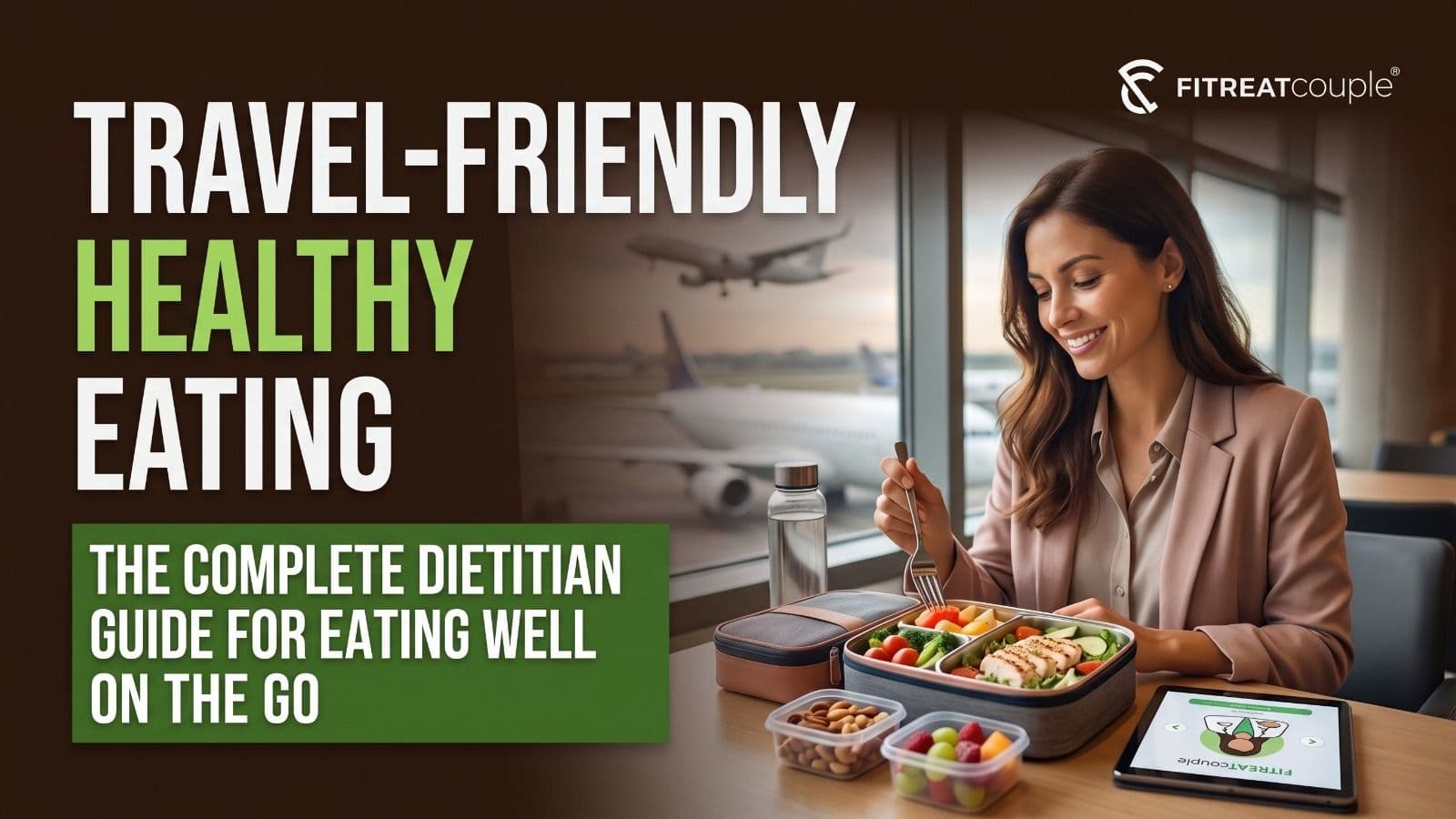
The single most effective strategy for healthy eating while travelling is packing your own snacks before you leave home. This gives you complete control over food quality and removes the temptation of airport and roadside fast food.
Category | What to Pack | Why It Helps |
Nuts & Seeds | Almonds, walnuts, pumpkin seeds, sunflower seeds | Protein + healthy fats — sustain energy for hours without sugar crash |
Protein Snacks | Protein bars, turkey/beef jerky, roasted chickpeas, nut butter packs | High satiety — keeps hunger at bay during long travel stretches |
Fruits & Veggies | Apples, bananas, dates, apricots, carrot sticks, celery, peppers | Natural sugars + fibre — fights fatigue and keeps digestion moving |
Whole Grains | Whole-grain crackers, air-popped popcorn, rice cakes | Complex carbs — steady energy without spikes or crashes |
Eggs (hard-boiled) | Hard-boiled eggs (pre-packed for short trips) | Complete protein — one of the most nutritious travel foods available |
Drinks | Refillable water bottle, electrolyte packets, herbal tea bags | Hydration is the single most important factor in travel wellness |
Smart Snacking: What to Choose and Why
• Nuts and seeds are the gold standard travel snack — they are calorie-dense, rich in healthy fats and protein, shelf-stable, and require no refrigeration
• Whole fruits like apples and bananas travel well, provide natural energy from fibre and natural sugars, and are completely airport-friendly
• Roasted chickpeas are an excellent high-protein, high-fibre alternative to crisps and salty snacks — satisfying without the empty calories
• Protein bars — choose ones with at least 10g protein, less than 10g sugar, and recognisable whole food ingredients on the label
• Dried fruits like dates and apricots provide quick natural energy but should be eaten in small quantities due to their concentrated sugar content
Phase 2: Eating Well at Your Destination: Hotel, Restaurant & Market Strategies
Hydration: The Most Important Habit of All
Dehydration is the number one hidden cause of travel fatigue, poor concentration, headaches, and increased cravings for unhealthy food. Flying, air-conditioned environments, and irregular schedules all accelerate fluid loss.
• Drink at least 8–10 glasses of water per day while travelling — more if flying
• Limit sugary drinks, excess caffeine, and alcohol — all of which contribute to dehydration
• Carry a refillable water bottle and refill it at every opportunity
• Use electrolyte packets in your water if travelling across time zones or in hot climates
• Herbal teas are an excellent caffeine-free option for evening hydration and relaxation
Shop Smart: Local Markets and Supermarkets Are Your Best Friend
One of the most underused strategies for healthy travel eating is simply visiting a local supermarket or fresh market on arrival. This takes 20 minutes and gives you complete access to fresh, affordable, nutritious food for the duration of your stay.
• Pick up fresh fruits, vegetables, yoghurt, and whole-grain options from the supermarket on day one
• Stock your hotel room mini-fridge with healthy breakfast items — saves money and avoids poor hotel breakfast choices
• Buy individual nut packs, boiled eggs, and fresh salads as convenient room snacks
Choosing Wisely at Restaurants
Restaurant eating while travelling does not have to mean unhealthy eating. A few simple decision-making rules make the difference between a meal that energises you and one that leaves you sluggish for the rest of the day.
• Opt for grilled, baked, steamed, or stir-fried dishes over deep-fried options
• Avoid rich, heavy sauces — ask for sauces on the side to control portion
• Choose lean protein (fish, chicken, lentils, eggs) as the centrepiece of your meal
• Add a vegetable side — most restaurants will accommodate simple requests for steamed veg or salad
• Control portion sizes — restaurant portions are often 1.5–2x what you actually need
Controlling Breakfast at Hotel Buffets
Hotel buffets are a minefield of empty calories disguised as breakfast options. Here is how to navigate them without derailing your day:
• Focus on: eggs (boiled, scrambled, or poached), whole grain toast or oats, fresh fruit, yoghurt, water
• Skip: syrup-drenched pancakes and waffles, processed breakfast meats (bacon, sausage), sugary cereals, pastries, and fruit juices
• Eat breakfast every day — skipping it leads to overeating at lunch and poor food choices throughout the day
Kitchen Access: Book Accommodation With a Kitchenette
For longer stays, one of the most effective investments you can make is choosing accommodation with kitchen facilities. Even a basic kitchenette allows you to prepare simple, nourishing meals — salads, sandwiches, scrambled eggs, oat porridge — that cost less and are far healthier than restaurant or room-service options every night.
Make Better Choices: Travel Food Swaps That Actually Work
Here is a practical swap guide — exactly what to avoid and what to choose instead at every stage of travel:
Instead of This | Choose This | Why It Is Better |
Deep-fried snacks at airport | Roasted nuts or whole fruit from your bag | Saves calories, avoids trans fats, sustains energy longer |
Sugary airport coffee drink | Black coffee or herbal tea | Avoids blood sugar spike and energy crash mid-flight |
Fast food burger meal | Grilled chicken sandwich or wrap | Higher protein, lower saturated fat, more filling |
White bread toast at hotel buffet | Whole grain toast with egg or nut butter | Slower digestion, better blood sugar control, more nutrients |
Soda or sweetened juice | Water with electrolytes or coconut water | Prevents dehydration, no added sugar, supports digestion |
Dessert-heavy buffet plate | Fresh fruit, yoghurt, and a small portion of dessert | Satisfies craving without excess sugar and calorie overload |
Skipping meals due to schedule | Snacking from your travel pack between meetings | Prevents overeating later and maintains steady energy levels |
Ordering rich, creamy sauces | Grilled, baked, or steamed dishes | Reduces saturated fat intake and avoids digestive discomfort |
Travel Meal Timing Guide: What to Eat at Every Stage of Your Journey
One of the most common travel nutrition mistakes is losing track of meal timing — skipping meals when busy, then overeating when finally hungry. Here is a practical phase-by-phase guide:
Travel Phase | Best Food / Habit | What to Avoid |
Before departure | Light balanced meal — whole grains + protein + veg | Heavy, oily meals that cause sluggishness mid-journey |
At the airport | Nuts, fruit, or yoghurt from your bag or airport shop | Fast food chains, sugary pastries, oversized portions |
During flight | Water every 30–60 min; light snacks from your bag | Alcohol, excess caffeine, salty airline snacks |
On arrival | Fresh local market produce; light dinner | Heavy late-night restaurant meals after long travel |
Hotel breakfast | Eggs, whole grain toast, fruit, yoghurt, water | Syrup-drenched pancakes, processed meats, sugary cereals |
Business lunch | Grilled protein + salad + water | Fried items, heavy sauces, dessert during working day |
Between meetings | Nuts, protein bar, or fruit from your travel pack | Vending machine snacks, sugary drinks, skipping food entirely |
Evening / dinner | Balanced restaurant meal — moderate portions | Buffet overeating, alcohol-heavy social dinners |
Dietitian Tip: Never Skip Meals Skipping meals while travelling is one of the most common and damaging habits. When you skip a meal, blood sugar drops, cortisol rises, and the next eating opportunity almost always results in overeating or choosing the most calorie-dense convenient option available. Regular meals — even small ones from your travel snack pack — maintain energy, focus, and better food decision-making throughout the day. |
Smart Habits During Transit: Flights, Road Trips & Long Journeys
Listen to Your Body
• Stop eating when comfortably full — travel boredom often triggers eating when you are not actually hungry
• Ease into rich local foods gradually — your gut microbiome needs time to adjust to unfamiliar cuisines
• Distinguish between genuine hunger, boredom, and thirst — drink water first and wait 10 minutes before reaching for a snack
Navigating Buffets Without Overeating
• Survey the entire buffet before picking up a plate — seeing all options helps you make a deliberate, balanced selection rather than piling up impulsively
• Stick to freshly prepared, hot foods — avoid items that have been sitting out for extended periods
• Use a smaller plate if available — research shows people consistently eat less when plate size is reduced
• Fill half the plate with vegetables and salad before adding protein and carbohydrates
Managing Travel Nausea and Digestive Discomfort
• Ginger chews, ginger tea, or ginger capsules are highly effective for motion sickness and travel-related nausea
• Bland foods — bananas, plain toast, rice, or crackers — settle the stomach during nausea or after rich meals
• Probiotic-rich foods — yoghurt, kefir, or a probiotic supplement — support gut health and reduce traveller's diarrhoea risk
• Avoid heavy, spicy, or fatty meals before and during long flights or road journeys
Frequently Asked Questions (FAQ)
Q1: What are the best healthy snacks to pack for travel?
The best travel snacks combine protein, healthy fat, and fibre for sustained energy. Top choices include mixed nuts and seeds, whole fruit (apples, bananas), roasted chickpeas, protein bars with natural ingredients, hard-boiled eggs, whole-grain crackers, and nut butter packets. These are all non-perishable, easy to carry, and far better than airport or petrol station snack options.
Q2: How can I eat healthy at airport restaurants?
At airports, look for grilled chicken, salads, soups, sushi, yoghurt parfaits, or fresh fruit cups. Avoid fast food chains, deep-fried items, oversized muffins, and sugary beverages. Most airports now have health-conscious options — look for these before defaulting to the most familiar chain. Eating from your own snack pack is always the healthiest and most economical airport option.
Q3: How do I stay hydrated on a long flight?
Cabin air is extremely dry and dehydrating. Drink at least 250ml of water for every hour of flying time. Avoid alcohol and excess caffeine during the flight. Carry a refillable water bottle and fill it after security. Electrolyte packets added to water are excellent for long-haul flights. Avoid salty airline snacks, which worsen dehydration.
Q4: How can I avoid weight gain while travelling for work?
The key strategies are: eat regular meals to prevent overeating, pack your own snacks, choose grilled over fried foods at restaurants, control alcohol intake at social dinners, stay well-hydrated, include physical activity (even hotel room workouts or walking), and prioritise quality sleep. No single meal causes weight gain — it is consistent patterns across a trip that matter.
Q5: What should I eat at a hotel buffet breakfast?
At a hotel buffet, focus on eggs (boiled, scrambled, or poached), whole grain toast or oats, fresh fruit, plain yoghurt, and water or herbal tea. Avoid syrup-covered pancakes and waffles, processed meats, pastries, sugary cereals, and fruit juices. A protein-rich, fibre-based breakfast sets your energy and appetite on the right track for the entire day.
Q6: Is it okay to eat local street food while travelling?
Yes, local food is one of the joys of travel and can be very nutritious. Choose freshly prepared hot foods from busy stalls with high turnover. Avoid pre-cooked items sitting at room temperature for long periods. Ease into unfamiliar cuisines gradually to allow your digestive system to adapt. Carrying digestive enzymes or a probiotic supplement can help when trying new foods.
Conclusion
Remember that healthy travel eating is all about balance, not perfection. From the snacks you pack before leaving home, to everything you order at dinner after a long day of meetings, it is about making better choices more often — listening to your body's hunger and fullness signals and understanding that your nutritional wellness directly drives your professional performance.
Every small decision adds up. The traveler who keeps a bag of mixed nuts in their briefcase, orders grilled fish instead of fried, drinks water instead of soda, and eats breakfast every morning arrives at their destination with significantly more energy, sharper focus, and better resilience than one who surrenders to convenience at every turn.
Final Message from the Dietitian You do not need a perfect diet to be a healthy traveler. You need awareness, preparation, and a few consistent habits. Pack smart. Hydrate consistently. Choose grilled over fried. Never skip meals. Shop at local markets. And most importantly — enjoy the journey. Wellness and performance are not opposites of travel — they are what make travel sustainable. Consult a Registered Dietitian for a personalised travel nutrition plan tailored to your schedule, health goals, and dietary preferences.If you’re looking for personalized diet and fitness support, explore the Fitreat Couple Program designed to help you achieve your health and fitness goals with expert guidance. |
About the Author Written by a Registered Dietitian (RD) with experience in corporate wellness, travel nutrition, and lifestyle medicine. This guide is based on evidence-based dietary principles, WHO nutrition guidelines, and practical clinical experience working with frequent business travelers. |