About the Author Shahla Dietitian, MSc Clinical Nutrition and Dietetics Areas of Focus: Nutrition Education, Weight Management, Metabolic Health, Lifestyle Modification. |
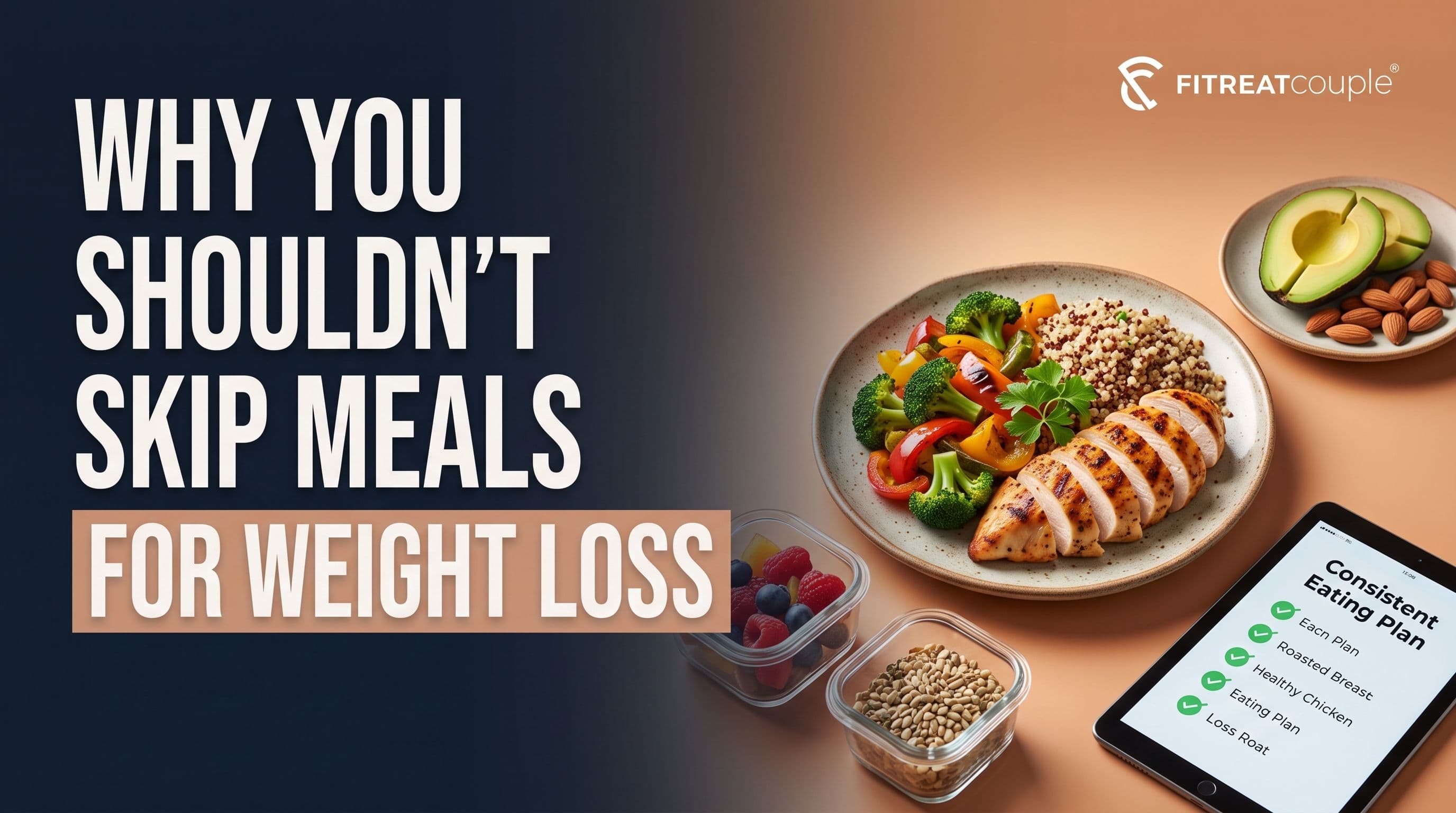
Many people start eating healthy expecting fast results and are genuinely surprised, even discouraged, when the scale barely moves after the first week or two.
Even if your weight remains constant, nutritious foods are actively supporting your metabolism, strengthening your muscles, reducing inflammation, and improving your gut health. Sustainable weight loss takes time. It depends on portion control, physical activity, and consistency, not just the quality of your food. In many cases, the body becomes measurably healthier on the inside first, and visible weight loss occurs naturally afterward.
Understanding the Body's Adjustment Phase
As the body begins to shift from consuming processed foods to whole meals, the body undergoes
genuine biological adjustment phase:
• Improved digestion — the gut microbiome begins shifting within 3–5 days of dietary change
• Reduced inflammation — processed food chemicals and excess sugar leave the system, reducing chronic low-grade inflammation
• Better energy and blood sugar stability — often noticeable within the first week
• Water retention fluctuation — glycogen stores change when carbohydrate intake is adjusted, causing temporary water weight shifts
Although these changes may not show immediately on the scale, they play an important role in long-term weight management. The first 1–2 weeks are an internal reset, not a fat-loss phase. The body is preparing the metabolic conditions needed for sustainable fat loss, so patience during this period is productive.
Week-by-Week: What Is Actually Happening in Your Body
Here is a realistic, evidence-based timeline of what happens when you start eating healthily — and why the scale tells only part of the story:
Week / Phase | What Is Happening Inside the Body | What You See / Feel |
Week 1–2 (Adjustment) | Gut microbiome begins shifting. Inflammation starts reducing. Blood sugar becomes more stable. | Less bloating. Better energy. Skin may improve. Scale may not move or may go up slightly due to water retention. |
Week 3–4 (Metabolic reset) | Insulin sensitivity improves. Cortisol drops with better food choices. Fat cells begin releasing stored fat. | Clothes may feel slightly looser. Energy is stronger. Digestion is more regular. |
Week 5–8 (Fat loss begins) | Calorie deficit becomes consistent. Muscle is being preserved or built. Fat oxidation increases. | Scale begins to move. Visible body composition changes. Strength improves. |
Month 3+ (Sustainable loss) | Metabolism stabilised at new set point. Lean muscle supports higher resting calorie burn. | Steady, gradual weight loss. Mood, sleep, and energy are visibly improved. Results are sustainable. |
Calories Still Matter — Even With Healthy Food
Healthy food does not mean unlimited food.
Nutritious options such as whole grains, nuts, avocado, ghee, dates, and fruit still contain calories, and weight loss occurs only when your total calorie intake is balanced or slightly less than your total calorie expenditure.
Healthy Food | Calorie Reality |
Almonds (small handful — 30g) | ~170 calories — easy to overeat, highly dense |
Whole wheat roti (2 medium) | ~200 calories — nutritious but portion-sensitive |
Brown rice (1 cup cooked) | ~215 calories — healthier than white, same calories |
Avocado (half) | ~120 calories — excellent fats but calorie-rich |
Ghee (1 tbsp) | ~120 calories — valuable in moderation only |
Dry fruits (small bowl — 50g) | ~160–200 calories — easy to overconsume |
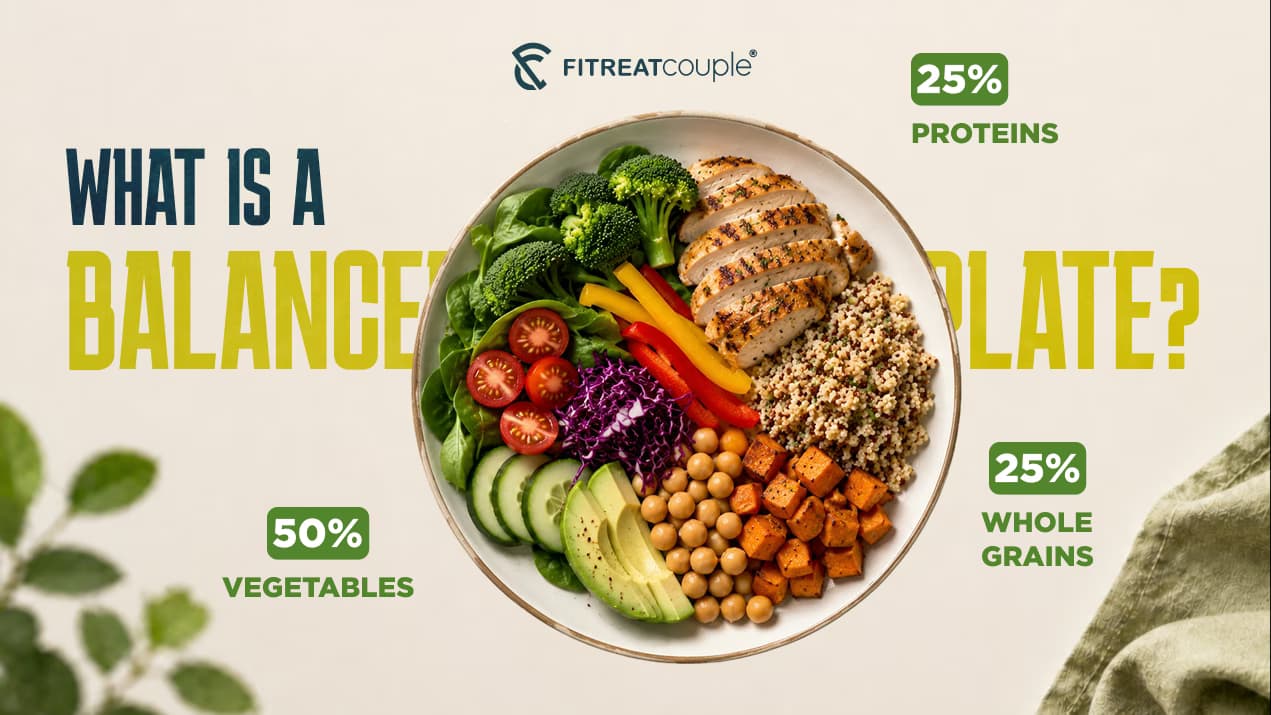
Fill half your plate with vegetables, one quarter with protein, and one quarter with whole grains.
Why Diet Alone Is Not Enough: The Role of Physical Activity
Diet alone cannot ensure optimal fitness or accelerate fat loss as effectively as diet combined with regular movement. Physical activity does not just burn calories — it changes the body's hormonal environment in ways that directly support fat loss.
Type of Activity | How It Supports Weight Loss |
Cardio (walking, jogging, cycling) | Burns calories directly during activity; improves cardiovascular health and insulin sensitivity |
Strength training | Builds lean muscle — which increases resting metabolic rate and burns more calories 24 hours a day |
Daily movement (NEAT) | Non-exercise activity thermogenesis — standing, walking, household tasks — accounts for up to 15% of total daily calorie burn |
Yoga or stretching | Reduces cortisol, improves sleep quality, and supports hormonal balance — all of which aid weight management |
Aim for at least 30 minutes of movement on most days. It does not need to be intense — a consistent daily walk is significantly more effective for weight management than occasional intense workouts.
The Hidden Factors That Stop Weight Loss Despite Healthy Eating
Sleep quality, hydration, and stress levels play a significant — and frequently underestimated — role in weight regulation. You can eat perfectly and exercise regularly, and still struggle to lose weight if these factors are ignored:
Factor | How It Affects Weight | What to Do |
Poor sleep | Raises ghrelin (hunger hormone), lowers leptin (fullness hormone) — causes overeating and fat storage even with a healthy diet | Aim for 7–9 hours of quality sleep every night — non-negotiable for weight management |
Chronic stress | Elevates cortisol — promotes abdominal fat storage and sugar cravings; undermines all dietary efforts | Daily stress management: walking, breathing exercises, meditation, or any enjoyable relaxation practice |
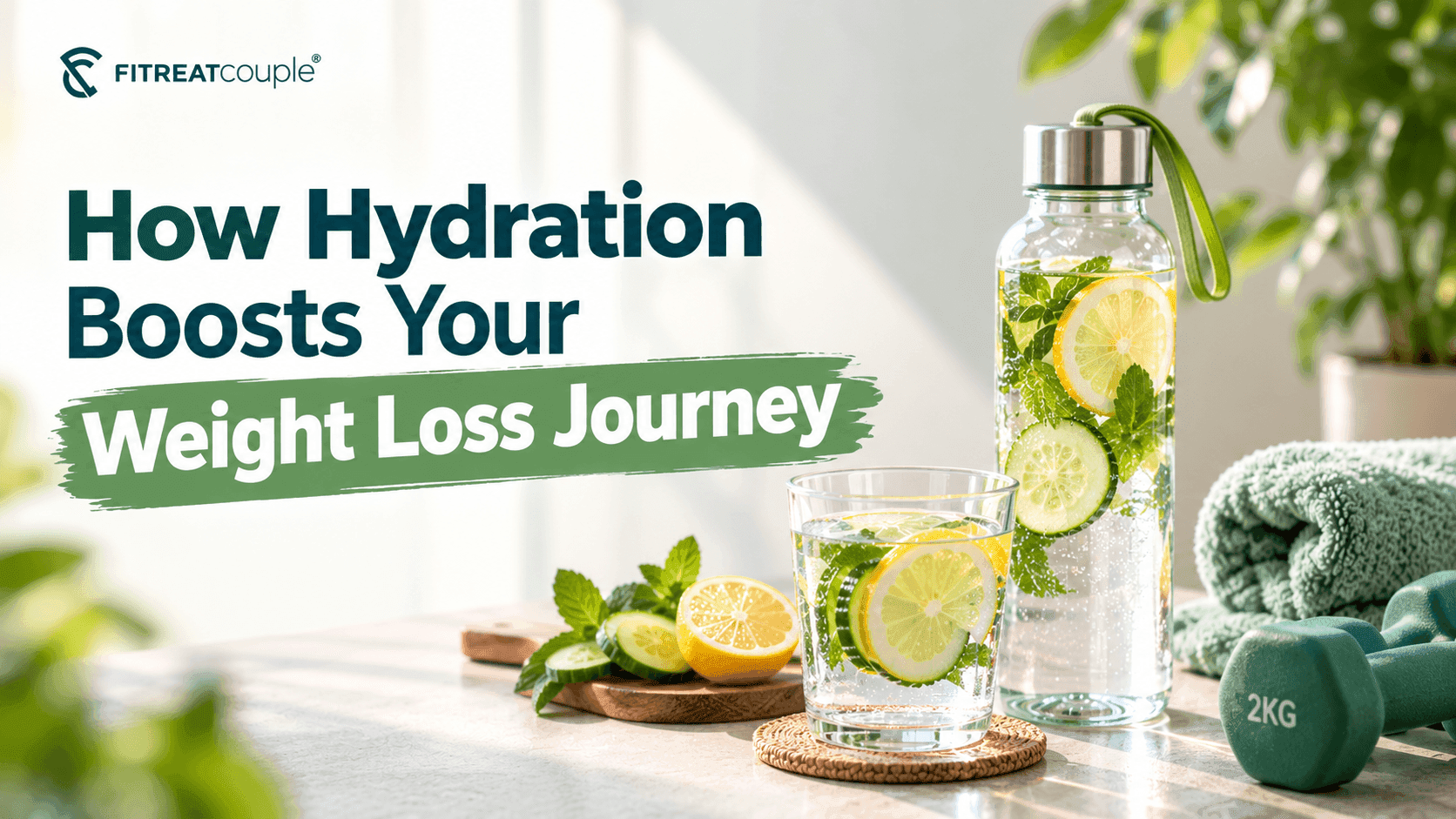
Dehydration | Slows metabolism, causes false hunger signals, and reduces fat-burning efficiency | Drink 2–3 litres of water daily; start each morning with a glass of water before eating |
Sedentary lifestyle | Even a perfect diet cannot compensate for very low physical activity — muscle mass and metabolic rate decline | Aim for 30 minutes of movement daily — walking, resistance training, yoga, or any activity you enjoy |
Long-Term Health Over Quick Results: The Mindset Shift That Changes Everything
Focusing only on fast weight loss is both discouraging and potentially harmful. Crash diets, extreme restrictions, and rapid weight loss approaches consistently show poor long-term outcomes — most people regain the weight within 1–2 years.
Sustainable habits produce gradual but genuinely lasting results. When the body is consistently nourished with whole foods, supported with regular movement, and maintained with quality sleep and stress management — weight loss becomes a natural, predictable outcome rather than a desperate struggle.
Approach | What the Evidence Says |
Fast weight loss approach | Crash diets, extreme restriction, unsustainable — 95% of people regain weight within 2 years |
Sustainable approach | Gradual calorie deficit, whole foods, regular movement, lifestyle habits — lasting results |
What the scale shows | Only total body weight — not fat lost, muscle gained, or internal health improved |
Better progress measures | Energy levels, sleep quality, clothing fit, blood markers, strength, mood, digestion |
In the early weeks of dietary change, weight is one of the least measure of progress. Track energy, sleep, digestion, clothing fit, and mood—these often improve first. The scale will follow once the foundations are in place.
Frequently Asked Questions (FAQ)
Q1: Why am I not losing weight even though I am eating healthy?
Healthy eating is necessary but not sufficient on its own for weight loss. You also need a calorie deficit — meaning you eat slightly fewer calories than you burn. Even healthy foods contain calories, and portions matter. Additionally, sleep quality, stress levels, hydration, and physical activity all directly influence whether the body burns or stores fat. Healthy eating creates the foundation — but all factors must work together.
Q2: How long does it take to see weight loss results from healthy eating?
Most people begin to see measurable fat loss results after 4–8 weeks of consistent healthy eating combined with physical activity and lifestyle habits. The first 1–2 weeks are an internal adjustment phase — digestion improves, inflammation reduces, and blood sugar stabilises — but these changes may not appear on the scale immediately. Consistency over 2–3 months produces visible, sustainable results.
Q3: Can stress stop weight loss even with a healthy diet?
Yes — significantly. Chronic stress elevates cortisol, which directly promotes abdominal fat storage, increases sugar cravings, disrupts sleep, and undermines all dietary and exercise efforts. Managing stress is not optional in a weight loss plan — it is a core component. Even simple daily habits like a 10-minute walk, breathing exercises, or adequate sleep can meaningfully reduce cortisol and support fat loss.
Q4: Do I need to count calories to lose weight on a healthy diet?
Not necessarily — but you need to be portion-aware. Using the balanced plate method (half vegetables, quarter protein, quarter whole grains) naturally creates a calorie structure that supports fat loss without tracking numbers. However, if progress stalls after 6–8 weeks of consistency, tracking calories for 2–4 weeks can reveal where hidden excess is coming from — particularly from high-calorie healthy foods like nuts, oils, and dairy.
Q5: Is the scale the best way to measure weight loss progress?
No — the scale is one of the least sensitive early indicators of fat loss. It reflects total body weight including water, muscle, bone, and food currently being digested. Better early progress indicators include energy levels, sleep quality, how clothes fit, digestive health, skin improvement, mood, and strength. The scale becomes more reliable as a progress tool after 4–6 weeks of consistent habits.
Conclusion
Healthy eating is not a quick fix — it is a long-term investment in your overall well-being. While the scale may not move immediately, your body is healing, strengthening, and preparing for sustainable fat loss. The internal changes happening in weeks one and two are not failures — they are foundations.
True, lasting fitness is achieved when nutrition, physical activity, sleep, stress management, and hydration all work together consistently. When these are aligned, weight loss is not a battle — it is a natural result.