Abstract
Vegetables are one of the most consistently recommended foods in nutrition science, yet most people still fall short of eating enough of them. Including a wide variety of colourful vegetables in your diet supports heart health, digestion, weight management, and long-term disease prevention, but knowing this and actually building the habit are two different things. This guide covers why vegetables deserve a bigger place on your plate, practical ways to work them into breakfast, snacks, and main meals without much extra effort, and just as importantly, how to cook them so you don't lose the very nutrients you're trying to get.
Introduction
Most people already know, in a general sense, that vegetables are "good for you." What tends to be missing isn't the knowledge; it's the habit and knowing how to add more vegetables to your diet in a way that sticks. Life gets busy, meals get rushed, and vegetables are often the first thing left off the plate compared to more convenient, ready-to-eat options.
This matters more than it might seem. The benefits of eating vegetables reach far beyond a single food group; they’re linked, across decades of research, to lower rates of heart disease, certain cancers, and weight-related conditions. Closing this gap doesn't require a complete diet overhaul; small, consistent additions across your existing meals go a long way, and there are plenty of simple ways to add more vegetables to your diet without a major lifestyle change.
What Makes Vegetables So Important?
Nutrient density: Vegetables supply vitamins, minerals, and antioxidants that support metabolism, tissue repair, vision, and immune function — all in a relatively small number of calories.
Hydration: Many vegetables, like cucumber, lettuce, and tomatoes, have a high water content, which supports overall hydration alongside your regular fluid intake.
Disease prevention: Vegetables and chronic disease prevention are closely linked in the research — a vegetable-rich diet has been associated with a lower risk of cardiovascular disease, certain cancers, and obesity.
Weight management: Vegetables for weight management make a lot of sense on paper: because they're naturally low in calories but high in volume and fibre, they help you feel full on fewer calories overall.
Gut health: Vegetables for gut health work mainly through fibre. Fibre-rich vegetables feed a healthy gut microbiome, supporting both digestion and immune function.
Honest Truth About Vegetable Intake: Eating a vegetable occasionally isn't the same as eating enough vegetables—or getting enough variety. No single vegetable provides all the nutrients and beneficial plant compounds your body needs. Eating a variety of vegetables, especially different types and colours throughout the week, helps provide a broader range of nutrients.
Nutrient
| Found In | Why It Matters |
Vitamin A | Carrots, sweet potatoes, spinach | Supports vision and immune function |
Vitamin C
| Bell peppers, broccoli, tomatoes | Supports immune function, collagen formation, and antioxidant protection |
Fibre | Leafy greens, cruciferous vegetables, legumes | Supports digestion and gut health and helps with fullness |
Potassium | Spinach, potatoes, beans | Helps regulate fluid balance, nerve function, and muscle contraction |
Iron | Spinach, beetroot, legumes | Essential for haemoglobin production and oxygen transport |
Antioxidants (beta carotene, lutein) | Carrots, leafy greens, peppers | Help protect cells from oxidative damage; vegetable-rich diets are associated with better long-term health |
Raw vs Cooked: Does It Actually Matter?
The honest answer: it depends on the vegetable. Cooking increases the availability of certain nutrients. The lycopene in tomatoes and the beta-carotene in carrots both become easier to absorb once cooked, since heat breaks down the plant cell walls that would otherwise keep those compounds locked away. Heat-sensitive nutrients like vitamin C, on the other hand, are more vulnerable to loss during cooking, particularly with prolonged boiling.
The practical takeaway isn't to pick a side; it’s to include both raw and cooked vegetables across the week, since each offers a slightly different nutrient profile.
Ways to Include Vegetables in Your Diet
The easiest way to eat more vegetables isn't a single big change; it's several small ones spread across the day. Here's a practical, meal-by-meal approach to finding ways to add more vegetables to your diet:
Breakfast: Add spinach, onion, or tomato to your omelette or scrambled eggs, blend a handful of greens into vegetable smoothies, or try a simple vegetable curry alongside your usual breakfast.
Snacks: Carrot sticks, cucumber, and bell pepper strips pair well with hummus or yoghurt—an easy, satisfying, and genuinely nutrient-dense snack.
Salads: Build salads around a colourful vegetables diet approach — leafy greens, cherry tomatoes, cucumber, carrots, and capsicum — with a dressing you enjoy, so it becomes a habit rather than a chore.
Soups: A well-made vegetable soup is one of the easiest ways to pack several servings of vegetables into a single, comforting meal — and a classic method of hiding vegetables in meals for picky eaters.
Stir-fries: A quick vegetable stir-fry with whatever's in season is fast, flexible, and easy to pair with any protein.
Smoothies: Spinach, kale, cucumber, and carrots blend surprisingly well into fruit smoothies without dominating the flavour — a good starting point if you're building your own vegetable smoothie recipes.
Grilled vegetables: Grilling vegetables alongside your usual meat or fish is an easy way to add colour and volume without extra prep steps.
Ways to Cook Vegetables Without Nutritional Loss
Cooking method matters almost as much as which vegetables you choose. Learning how to cook vegetables without losing nutrients doesn't require special equipment just a few simple habits that meaningfully protect what you're trying to get:
Wash before cutting: Washing whole vegetables and cutting them shortly before cooking can reduce nutrient loss, especially from water-soluble vitamins.
Leave the skin on where possible. The skins of vegetables like carrots and cucumbers hold additional fibre and nutrients, so peeling isn't always necessary.
Avoid overcooking. Heat breaks down vitamins and minerals over time, so cook vegetables until they're just tender rather than soft all the way through.
Steam instead of boiling. When steaming vegetables, nutrients stay largely intact when they're cooked in their own moisture rather than submerged in water, one of the most reliable ways to retain water-soluble vitamins like vitamin C.
Keep the pot covered. Covered cooking shortens cooking time and helps vegetables retain moisture, texture, and flavour.
Use minimal water. If you do boil vegetables, use as little water as possible and consider reusing the cooking liquid in a soup or stock, since nutrients that leach out end up there.
Consider slow cooking for root vegetables. Root vegetables like potatoes and carrots often develop better flavour and texture with slow cooking, while still retaining more nutrients than faster, high-heat methods.
Common Mistake: Many people boil vegetables in a large volume of water and then discard the water — along with a meaningful share of the water-soluble vitamins that leached into it during cooking. Understanding vitamin loss when cooking vegetables this way can help you rethink the habit: if boiling is your preferred method, use minimal water and save the liquid for soups or sauces.
A Simple Action Plan for Building the Habit
Start with what you already eat
Add one vegetable to a meal you already have every day — a handful of spinach in your morning eggs, or a side salad with lunch — rather than trying to overhaul your entire diet at once.
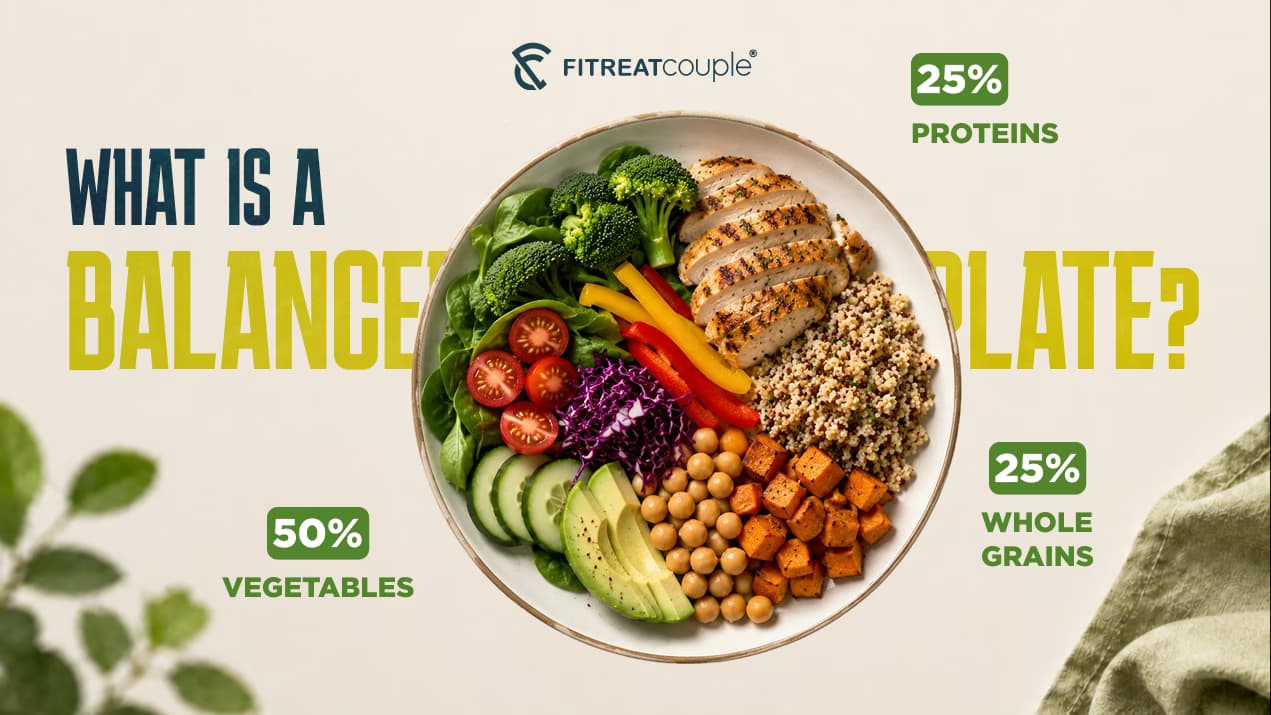
Use the half-plate rule
Fill half your plate with non-starchy vegetables, a quarter with protein, and a quarter with whole grains or starches. This single visual habit does most of the work of hitting your daily vegetable intake guidelines without counting a single gram.
Rotate your colours
Aim to include vegetables from at least three different colour groups across the week rather than repeating the same one or two choices.
Prep once, use all week
Wash and chop a batch of vegetables in advance and store them properly refrigerated so that reaching for a low calorie vegetables snack takes no extra effort during a busy day.
Choose seasonal where possible
Seasonal vegetables tend to be fresher, more nutrient-dense, and more affordable than out-of-season produce, making it easier to eat a wider variety consistently.
Frequently Asked Questions (FAQ)
Q1: What are some easy ways to eat more vegetables without a big diet overhaul?
Add a small amount at every meal instead of one large serving once a day: chopped vegetables in your morning omelette, a raw salad alongside lunch, and a cooked vegetable dish with dinner. Keeping washed, cut vegetables visible in the fridge also makes a real difference to how often people reach for them.
Q2: What are the benefits of eating vegetables daily?
Daily vegetable intake supports digestion and gut health through fibre, helps maintain steady energy and appetite by slowing carbohydrate absorption, supplies antioxidants that protect cells from everyday wear and tear, and provides key micronutrients like folate, potassium and vitamin C that are harder to get from grains and protein alone.
Q3: Is it better to eat vegetables raw or cooked?
Neither is universally better — it depends on the nutrient. Cooking improves the body's ability to absorb beta-carotene and lycopene, while raw vegetables retain more heat-sensitive nutrients like vitamin C and folate. Eating a mix of raw and cooked vegetables across the week covers more nutritional ground than choosing only one style.
Q4: How do I stop losing nutrients when cooking vegetables?
Wash before chopping rather than after, cook soon after cutting, avoid excess water when boiling, and prefer steaming over deep-frying. These small changes preserve far more vitamins and minerals than most people expect.
Final Advice from the Dietitian: Don't wait for a health concern to start eating more vegetables build the habit while things are going well. Start by adding one extra vegetable portion to a meal you already eat every day, and let the half-plate rule guide the rest. These are the same dietitian tips for eating more vegetables we share with every family we work with, and they hold up regardless of age, activity level or appetite.
Conclusion
Adding more vegetables to your diet is rarely about a dramatic overhaul; it's about understanding what different vegetable groups contribute, eating a genuine variety of them, cooking them in ways that protect their nutrients, and building small, repeatable habits at every meal. Vegetables quietly do a disproportionate amount of the work in any healthy diet: adding volume without calories, fibre without effort, and a range of nutrients that few other food groups can match on their own. Start with one meal, add one vegetable, rotate the colours on your plate, and build from there consistency across weeks matters far more than perfection on any single day.